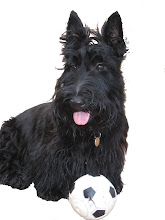
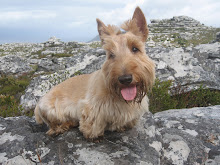
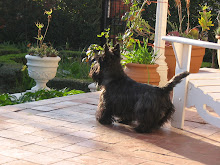
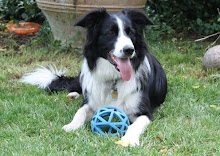
The Food Lady and the Apha Male decided to leave us at home last Sunday, even though it was a cool, scottie-ish kind of a day. A bit mean I thought, as I munched my Beano biscuit with a mind-blowingly delicious blob of extra-lean beef mince stuck on top. Apparently they wanted to walk up a path where dogs are not allowed, starting at Kirstenbosch main gate, where dogs are not allowed.
  They ventured deeper and deeper into the forest - along the Donkergat path (w d a n a*) where a huge old Spanish chestnut tree and some ghostly ruins of foundations are all that is left of a woodcutter's home.
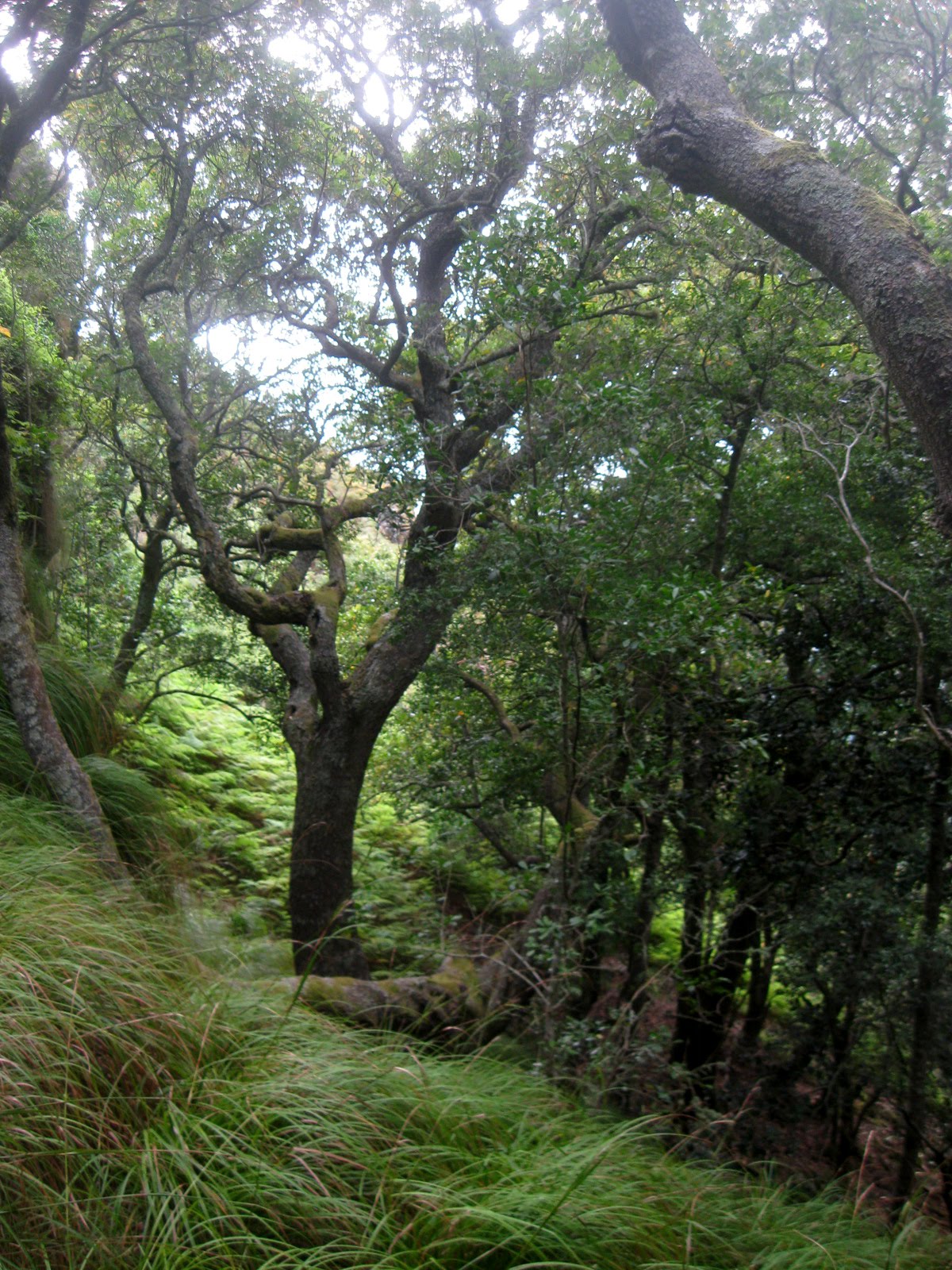 Up and up they climbed ...
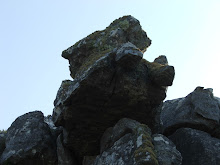
 past scary creatures that lurk in the woods - a Griffon (and I am not referring to the dog version!) about to take off?
 At last they reached the top of Skeleton Gorge, without mishap, and into Paul's curly grass with Hermas villosa plants looming up in the mist.
 A lonely cuppa tea in the mist. I think they were missing us and the rest of the group.
 The object of the walk - some Red Disas (Disa uniflora) in the Window Gorge Stream.
 There were many other interesting plants too - this Jacaranda Inkflower (Harveya pauciflora), a root parasite, that the Alph spotted growing along the Aqueduct.
 And the Table Mountain endemic, Watsonia tabularis. growing in front of some Table Mountain sandstone.
 Another group had made themselves at home in the river, having a picnic in the midst of the disas in the valley between Junction and St Michael's Peaks.
 Another disa - the Golden Orchid (Disa cornuta).
 The Hely-Hutchinson and Woodhead Dams with some wisps of misty clouds making them look rather mysterious.
 An Autumn Painted Lady (Gladiolus monticola) alone and palely loitering.
  Short cut across the half empty Hely-Hutchinson Dam - with lots of other people - all come to marvel at the disas?
  Back down Skeleton Gorge, and into Kirstenbosch.
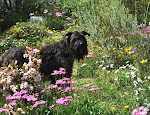
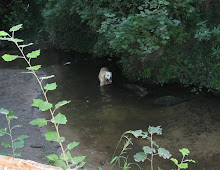
 The Food Lady took pity on us and took us for a walk in the Greenbelt so that she didn't have to feel so guilty about not taking us up Skelton Gorge. This is Dougal in full squirrel hunting mode.
 The Green Belt has its share of natural curiosities to keep the Food Lady clicking away. This is a fungus called "Chicken of the woods" (Laetiporus sulphureus) identified by Malcolm Greaves on iSpot.
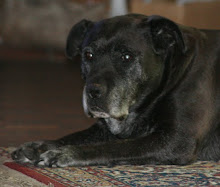
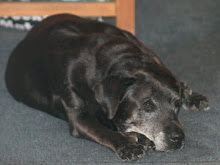
  Hunting squirrels in the dappled shade. (Dawnie was there too but she is a bit slow these days and lags behind.)
 Australian Cherry Tree flowers.
 and some Heavenly Blue morning glories growing in our own little doggie heaven in Constantia.
*where dogs are not allowed.


 They had a tea stop at the top of Window Gorge in among lots of flowering red
 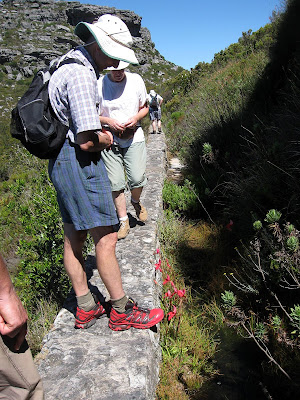 They then walked on to the
  En route to the top of Nursery Ravine, this little clump of firs, silver birches and oaks and some ruined mossy stone walls are all that's left of the